


- The project has been funded by the State Research Agency (AEI) through the 2024 Public-Private Partnership programme
- In addition to Atrys, the initiative brings together a consortium comprising Methinks AI, the Vithas Foundation and the Món Clínic Foundation
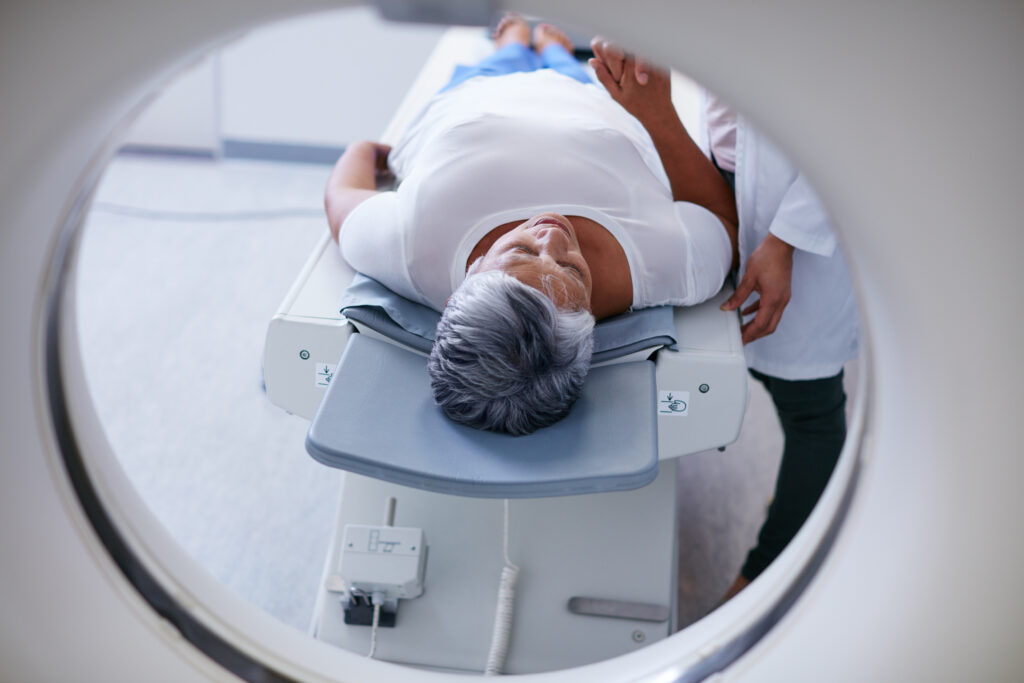
- Neuro-rescate transforms non-contrast CT scans, a routine test in A&E, into a tool for the early detection of neurological conditions thanks to artificial intelligence and telemedicine
Atrys is participating in the Neuro-rescate project, an applied research initiative that combines artificial intelligence and telemedicine to improve the early detection of serious neurological conditions in A&E departments, facilitating a faster referral to specialist treatment.
The initiative has received €2.19 million in funding from the State Research Agency (AEI) under the 2024 Public-Private Partnership programme. The project brings together a leading consortium comprising Methinks AI, the Vithas Foundation, the Món Clínic Foundation and Atrys, with the aim of strengthening the capacity of general A&E departments to identify serious neurological conditions at an early stage and rapidly refer patients to specialised treatments that can save lives.
Unlocking the potential of routine CT scans with AI
Neuro-rescue aims to harness one of the most common tests in A&E – the non-contrast head CT scan – to detect neurological conditions early on that often go unnoticed. Thanks to advanced artificial intelligence algorithms developed by Methinks AI, the platform is capable of automatically analysing these images and identifying signs consistent with intracranial aneurysms, vascular occlusions, cerebral haemorrhages and other treatable conditions. This approach transforms a routine diagnostic tool into an advanced screening system, significantly reducing time—a critical factor in improving patient outcomes.
Methinks AI brings extensive expertise in AI-based neurological image analysis, with CE-marked technology already deployed in clinical settings, contributing to advances in acute stroke care worldwide.
“We know that many people live with undiagnosed intracranial aneurysms or other treatable neurological conditions. The opportunity lies in the fact that these tests are already carried out routinely; if we are able to detect subtle signs in them, we can scale up early and systematic diagnosis,” explains Víctor Salvia, Vice-President of R&D at Methinks AI.
The project is not limited to automated analysis, but combines AI-driven detection with telemedicine and clinical integration to ensure that information is translated into action. The platform enables the automated identification of neurological abnormalities from non-contrast CT scans, adapted to non-specialist settings and supporting general practitioners in the early detection of serious conditions. It also facilitates remote support from radiologists and neurologists for image interpretation and clinical assessment, such as the NIHSS scale, ensuring expert validation and informed decision-making even in hospitals without 24-hour neurological coverage. Furthermore, the tool integrates into existing care pathways, promoting structured processes and coordinated communication between healthcare professionals, which helps to reduce the time to treatment.
“At Atrys, we are committed to making specialist clinical expertise available wherever patients need it, regardless of the resources available at the hospital treating them,” says Facundo Nahuel, Head of Artificial Intelligence in Atrys’s teleradiology department. “By combining artificial intelligence with telemedicine, we can optimise hospital resources, support non-specialist A&E teams and facilitate the early detection of treatable neurological conditions, even before symptoms become clinically apparent. Initiatives such as Neuro-rescue expand access to advanced neurological diagnosis and help ensure that more patients receive an expert assessment at the right time.”
The Vithas Group has already begun rolling out this solution in 4 of its 22 hospitals. “As a hospital group, our commitment is to ensure consistent standards of quality and safety. Incorporating tools that help identify conditions that might otherwise go unnoticed in A&E assessments helps to improve detection and reduce clinical variability,” says David Baulenas, Vithas’ Corporate Director of Care, Quality and Innovation and Vice-President of the Vithas Foundation.
The final results of the project are expected in the second half of 2028, following validation in real clinical settings.
Early detection is a priority
One of the major challenges in neurology remains the early detection of conditions such as intracranial aneurysms, which in many cases are not identified until a serious complication arises.
“In many patients with cerebral aneurysms, the diagnosis comes too late,” explains Xabier Urra, Head of Neurology at Hospital Clínic in Barcelona. “A non-contrast CT scan is the most common imaging test in A&E departments, and this is precisely where Neuro-rescue comes in: highlighting suspicious findings and speeding up the diagnostic process. Detecting an aneurysm in time opens the door to preventive and personalised management, rather than facing a potentially devastating subarachnoid haemorrhage.”
By extending advanced assessment capabilities beyond specialist centres, Neuro-rescue is set to deliver significant system-wide benefits, improving access to high-quality neurological diagnosis regardless of a hospital’s resources or location, and contributing to better patient outcomes and quality of life through faster detection and treatment, and making healthcare systems more efficient through the use of remote expertise and reduced reliance on on-site specialists.
The initiative will be validated in real clinical settings through the participation of the Vithas Foundation and the Món Clínic Foundation, and will be integrated into Atrys’ telemedicine infrastructure. Neuro-rescue represents a significant step towards more accessible, scalable and proactive neurological care.