Atrys maintains its position amongst the leading companies in the healthcare sector in Clarity AI’s ESG assessment

  • The company remains in the ‘Industry Leaders’ category, ranking in the 95th percentile among the healthcare services companies analysed by Clarity AI and coming sixth out of 98 comparable companies worldwide
  • Atrys has improved its ESG score from 41 to 75 points since 2022, underpinning its sustained progress and its commitment to increasingly sustainable, responsible and transparent management
  • Of the three pillars analysed, Governance received the highest score, with 78 out of 100, followed by Social (76/100) and Environmental (72/100), all of which fall within the ‘high score’ category

Atrys Health, a medical company specialising in oncology, telediagnostics, pathological anatomy and nuclear medicine, has strengthened its position as one of the leading companies in terms of sustainability within the healthcare sector, according to the latest report produced by Clarity AI. The company scored 75 out of 100, placing it in the 95th percentile of the healthcare service companies analysed and enabling it to retain its ‘Industry Leaders’ status. In this edition of the report, Atrys ranks sixth amongst the 98 comparable companies analysed internationally.

The score achieved in 2026 represents an improvement of three points on the previous year and consolidates an upward trend that has enabled Atrys to increase its ESG rating from the 41 points recorded in 2022 to the current 75. This development reflects the company’s progress in integrating ESG criteria into its corporate strategy, strengthening its internal policies and processes, and improving the quality and transparency of its reporting.

One of the key highlights of the analysis is the company’s performance in the area of governance, which is rated as the strongest pillar by Clarity AI, with a score of 78 out of 100. Among the aspects recognised by the report are the robustness of its corporate ethics policies, its control and oversight mechanisms, and its anti-corruption measures.

The social dimension also receives a high rating, with a score of 76 out of 100 and a ranking in the 98th percentile amongst comparable companies. Clarity AI highlights the progress made in talent management, human rights and professional development.

In the environmental pillar, the company achieved a score of 72 out of 100 and is also ranked amongst the leading organisations in its sector. This result reflects Atrys’ commitment to responsible environmental management and to the gradual incorporation of sustainability criteria into its management processes, in line with the nature of its business and the most relevant environmental aspects associated with its business model.

Furthermore, Clarity AI identifies customer experience, community impact and business ethics as areas in which Atrys excels; these are areas where the company receives some of its highest ratings and which contribute significantly to its distinctive positioning within the healthcare sector.

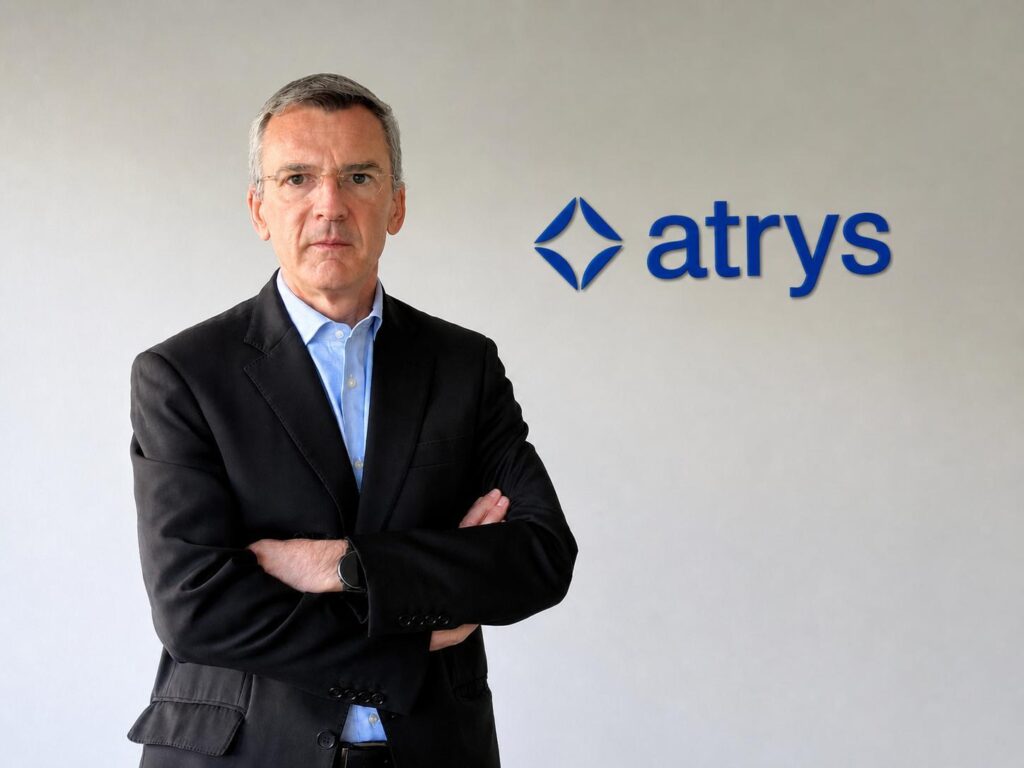
“These results recognise the work we have been doing to integrate ESG criteria into the company’s management and decision-making processes, and reflect our commitment to responsible, transparent management focused on creating long-term value. They encourage us to continue making progress in environmental, social and governance matters to promote an innovative, sustainable and people-centred healthcare model,” says Marian Isach, CEO of Atrys.

Clarity AI is one of the leading sustainability analysis platforms used by investors, asset managers and financial institutions. Using artificial intelligence and data science, it analyses public and corporate information to assess companies’ ESG performance, facilitating the integration of sustainability criteria into investment decisions and compliance with European regulatory frameworks such as the SFDR and the European Taxonomy.

Atrys strengthens its talent strategy with the appointment of Helena Borràs as Chief People Officer

  • Helena Borràs will lead Atrys’ global People strategy with the aim of fostering a shared culture, developing talent and strengthening the key capabilities that will support the company’s growth and evolution across all its markets
  • With over 15 years’ experience in people management and organisational transformation, she brings a deep understanding of the healthcare sector, having led projects in talent development, organisational integration and change management at leading companies in the healthcare field

Atrys Health, a healthcare company specialising in oncology care services, telediagnostics, pathological anatomy and nuclear medicine, has announced the appointment of Helena Borràs Cases as the Group’s new Chief People Officer. Her appointment is part of the company’s aim to strengthen its global talent strategy at a time characterised by organisational consolidation, international growth and the reinforcement of a shared corporate culture.

With over 15 years’ experience in people management, organisational transformation and talent management, Borràs will take on the responsibility of leading the Group’s global people strategy, with the aim of driving talent development, strengthening the company’s key capabilities and supporting the organisation’s evolution in the various markets where Atrys operates.

Her main responsibilities include coordinating the HR teams in the various countries, defining common talent management policies, supporting organisational integration processes, and developing the key skills and profiles required for the company’s growth.

“Atrys is at a crucial stage of consolidation and international growth. Helena’s experience in organisational transformation, company integration and talent development will be essential to continuing to build a cohesive, agile organisation that is prepared to support the business’s evolution and maintain the high quality standards that guide our day-to-day operations,” said Marian Isach, CEO of Atrys.

Borràs has a strong track record in people management, organisational transformation and company integration, particularly in fast-growing environments and within the healthcare sector.

Between 2020 and 2025, she held the position of People and Transformation Director at PRIM, where she led the people strategy during a process of expansion and integration involving eight companies. Prior to this, she spent much of her career at Omnicom PR Group (Ketchum), where she established the Human Resources function in Spain, drove organisational transformation projects and developed a business unit specialising in transformation and change management. During this period, she worked with companies in the healthcare sector such as Novartis, Takeda, AbbVie and Galapagos, supporting them through processes of cultural transformation, leadership and talent management.

She holds a degree in Sociology and has a Master’s in Human Resources Management, has completed an Advanced Management Programme, has specialised training in M&A and private equity, and is a certified coach.

“Atrys is undergoing a period of transformation and evolution that offers a unique opportunity to continue strengthening its capabilities and developing a shared culture. I am taking on this new responsibility with a commitment to fostering talent, supporting the teams and helping to ensure that people remain a key driver of the company’s growth, innovation and evolution,” says Helena Borràs.

With this appointment, Atrys reinforces its commitment to talent and staff development as key drivers for fuelling its growth, fostering the integration of capabilities and continuing to advance its commitment to excellence in care and innovation in healthcare.

Atrys is taking part in COMPASS, the largest European project on cancer-related cardiotoxicity

  • The initiative, funded by the Innovative Health Initiative and supported by the European Union, has a budget of over 50 million euros and brings together 62 academic and industrial partners from 25 countries
  • Atrys will draw on its expertise in clinical genomics, pharmacogenomics and personalised medicine to help develop predictive models of cardiovascular risk in cancer patients
  • COMPASS aims to transform care in cardio-oncology through artificial intelligence, advanced biomarkers, imaging technologies, digital devices and integrated care models

Atrys Health, a medical company specialising in healthcare services in the fields of oncology, telediagnostics, pathological anatomy and nuclear medicine, has joined the COMPASS project — Cardio Oncology Multidisciplinary Patient Assistance Solution —, the largest European consortium on cancer-related cardiotoxicity, which aims to improve the prevention, early detection and management of cardiovascular complications associated with cancer and its treatments.

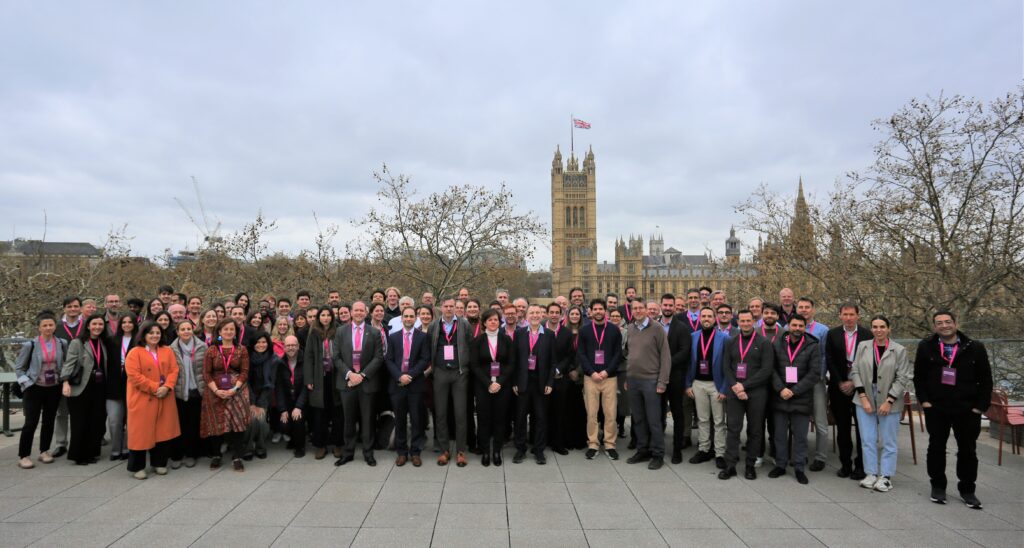
The initiative, funded by the Innovative Health Initiative (IHI) with support from the European Union, has a budget of over 50 million euros and brings together 62 partners from 25 countries, including hospitals, research centres, universities, medical technology companies, SMEs and patient organisations. It is coordinated academically by King’s College London and, at an industrial level, by GE HealthCare.

Atrys will contribute its expertise in clinical genomics, pharmacogenomics and personalised medicine to the development of predictive models of cardiovascular risk in cancer patients, with the aim of anticipating the cardiotoxicity associated with treatments and improving clinical decision-making. Furthermore, it will participate in activities related to the integration of clinical data, biomarkers and imaging, as well as in the assessment of the feasibility, sustainability and clinical application of the solutions developed.

Over the next five years, COMPASS will work on designing new tools that will integrate artificial intelligence, advanced biomarkers, imaging technologies and digital devices, with the aim of supporting patients throughout their entire care journey and improving coordination between oncology and cardiology.

“For Atrys, participating in COMPASS means contributing, through clinical genomics and personalised medicine, to one of the major challenges facing oncology today: anticipating and preventing cardiovascular complications associated with cancer treatments. Our aim is to help ensure that advances in research translate into useful tools for healthcare professionals and into more precise and personalised care for patients,” says José Antonio López Martín, head of the Research and Innovation department at Atrys.

Advances in oncology have improved survival rates, but cardiotoxicity remains a growing challenge for healthcare systems due to its complexity, its delayed onset and the need to integrate different areas of care. Against this backdrop, COMPASS will work on new tools to better predict risk, personalise monitoring and support clinical decision-making.

Through its participation in this project, Atrys is reinforcing its commitment to innovation, precision medicine and the development of clinical solutions aimed at improving patients’ quality of life and addressing the major challenges facing modern oncology.

Further information on the project: COMPASS Project – Innovating heart health for cancer care

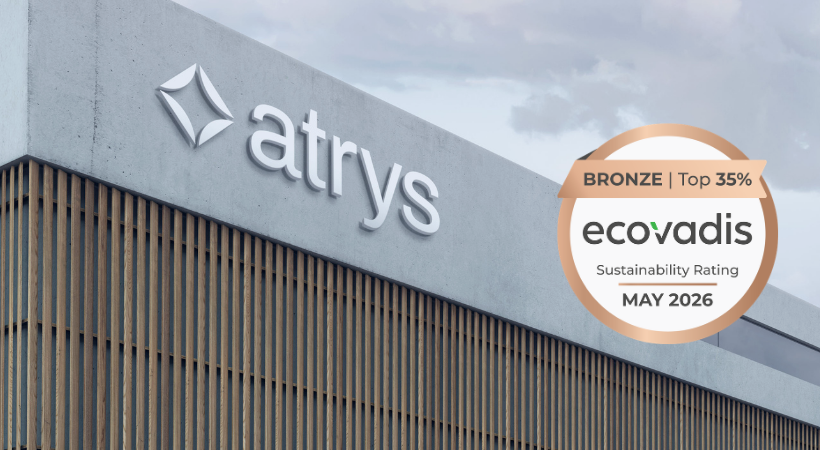
Atrys has been awarded the EcoVadis Bronze medal and ranks among the top 4% of the most sustainable companies in its sector

Atrys Health, a medical company specialising in oncology, telediagnostics, pathological anatomy and nuclear medicine, has been recognised for its performance in sustainability and corporate responsibility with the EcoVadis Bronze medal, a prestigious international accolade.

In the overall 2026 assessment, Atrys ranks in the top 4% of companies in the human healthcare sector with a score of 71 out of 100. This rating recognises the progress made by the company in integrating sustainability criteria into its management model, with a particular focus on strengthening corporate governance, ethical management, the protection of human rights and the development of a more responsible supply chain.

This result reflects the consolidation of policies, procedures and control mechanisms aimed at continuous improvement, as well as Atrys’ commitment to transparency, accountability and the creation of sustainable value for its stakeholders.

Among the initiatives that have contributed to this result are the strengthening of responsible supply chain management mechanisms and the development of a Supplier Code of Conduct, which sets out the expected principles and standards regarding ethics, human rights, working conditions and sustainability for the company’s business partners.

Participation in EcoVadis forms part of Atrys’ strategy to promote transparency and advance the integration of sustainability into decision-making and relationships with its stakeholders. “This recognition reflects the effort made by Atrys to integrate sustainability into all areas of the company. The improvement achieved in the EcoVadis assessment demonstrates the strengthening of our management systems, our good governance practices and our commitment to people, patients, our professionals and the value chain. We will continue to move forward to generate sustainable value and contribute to a more innovative, accessible and responsible healthcare system,” says Marian Isach, CEO of Atrys.

EcoVadis is one of the leading international platforms for assessing corporate sustainability, with a presence in over 175 countries and more than 130,000 companies assessed. Its methodology analyses organisations’ sustainability management systems across four key areas: the environment, labour practices and human rights, business ethics, and sustainable procurement. The medals it awards—Bronze, Silver, Gold and Platinum—recognise the best-performing companies within their sector and category.

The UB-Atrys Chair has recognised three key research projects aimed at advancing personalised radiotherapy for the future

  • The awards, presented at the SEOR 2026 Congress in Alicante, recognise pioneering research with the potential to transform cancer treatment
  • The award-winning research explores new approaches to radiotherapy for tumours resistant to conventional radiation, new strategies for the treatment of triple-negative breast cancer, and the biomolecular impact of advanced therapies on osteosarcoma
  • With these accolades, the UB-Atrys Chair reinforces its commitment to research, knowledge transfer and progress towards a more precise, innovative and personalised approach to oncology

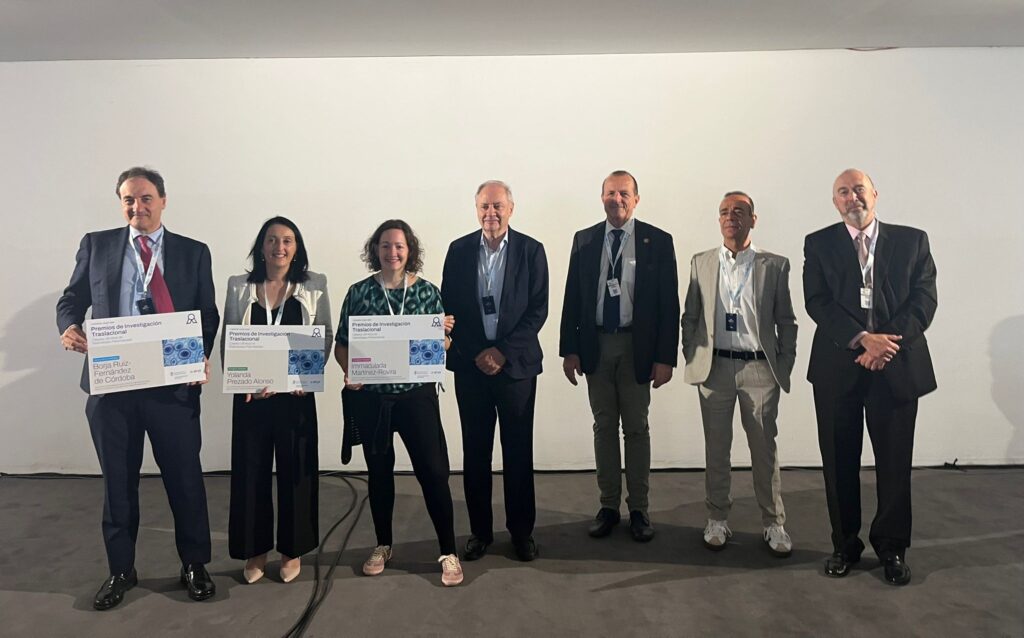
The UB-Atrys Chair in Personalised Radiotherapy, established by Atrys Health and the University of Barcelona, has recognised the three most outstanding scientific publications in the field of radiation oncology in 2025, honouring their excellence, innovative capacity and potential clinical impact.

The fifth edition of the awards ceremony took place as part of the SEOR 2026 Congress (Spanish Society of Radiation Oncology), held in Alicante, one of the sector’s leading scientific gatherings, which this year brought together national and international experts under the slogan “Precision oncology at the service of the patient”.

The opening session featured a presentation by Phillip Poortmans, an international authority in radiation oncology affiliated with Iridium Netwerk and the University of Antwerp, who outlined the latest advances in FLASH therapy, one of the most promising technologies in the field. This was followed by the awards ceremony, moderated by Dr Ferran Guedea, director of the Chair and head of Radiation Oncology at the Catalan Institute of Oncology, alongside Dr Marco Panichi, medical director of Radiation Oncology at the Atrys-Sanitas Institute of Advanced Oncology and co-director of the Chair. Also present at the event was Santiago de Torres, non-executive chairman of Atrys, who was responsible for presenting the awards

Three research projects that point the way to the future of radiotherapy

The first prize was awarded to Yolanda Prezado Alonso, an Oportunius research professor at the University of Santiago de Compostela, for her research into mini-GRID radiotherapy, a novel technique involving spatially fractionated irradiation using very small beams in linear accelerators without a flattening filter, which allows high doses to be delivered heterogeneously and with precision, reducing damage to healthy tissue and opening up new possibilities in the treatment of complex tumours.

The second prize was awarded to Borja Ruiz-Fernández de Córdoba, a researcher at the University of Navarra, for his work on innovative strategies to improve the response to radiotherapy in triple-negative breast cancer, one of the most aggressive subtypes with the fewest treatment options.

The third prize was awarded to Immaculada Martínez-Rovira, a researcher at the Autonomous University of Barcelona, for her study on the biomolecular impact of carbon-ion beam radiotherapy in osteosarcoma, research that contributes to a better understanding of the mechanisms of action of high-precision therapies.

Research driving precision medicine

In this regard, Dr Guedea emphasised that “The mission of the UB-Atrys Chair is to promote increasingly personalised radiotherapy, linking cutting-edge research with real-world clinical practice. These awards reflect our commitment to identifying and supporting the scientific talent set to transform oncology, so that advances reach patients sooner and more effectively”.

For his part, Dr Marco Panichi emphasised Atrys’ commitment to developing innovative solutions in radiotherapy: “Radiotherapy is undergoing an unprecedented transformation, driven by technological innovation and biological knowledge. At Atrys, we are committed to connecting research, technology and clinical practice to accelerate the delivery of these solutions to patients.”

The first-prize winner, Yolanda Prezado Alonso, highlighted the value of this recognition: “This award highlights lines of research that seek to bring about real change in the way we treat cancer. Mini-GRID radiotherapy has the potential to significantly improve therapeutic efficacy in resistant tumours, and recognition such as this is key to continuing to make progress and translating these results into clinical practice.”

With this fifth edition, the UB-Atrys Chair consolidates its role as a driving force behind research, training and knowledge transfer in radiation oncology.

The award-winning projects demonstrate how the combination of technological innovation, cancer biology and multidisciplinary collaboration is redefining the future of radiotherapy, bringing us closer to increasingly personalised, precise and effective medicine

Atrys grew by 6.3% and increased its EBITDA by 15.4% in the first quarter of 2026

  • The strong growth in EBITDA is driven by performance across the main business areas, with notable growth in Oncology (+47.6%), Nuclear Medicine (+27.7%), and Diagnostic Imaging (+14.1%)
  • Net financial debt decreased by 81.1% compared to December 2025, following the sale of ASPY, resulting in savings of 2.4 million in financial expenses
  • Atrys maintains its guidance for 2026 and is strengthening its organizational structure to promote management discipline and improve the group’s profitability

Atrys Health, a medical company specializing in oncology, telediagnostics, pathological anatomy, and nuclear medicine, reported revenue of 37.5 million euros in the first quarter of 2026, representing a 6.3% increase compared to the same period last year. This performance is driven by the favorable performance of the main business areas and regions, consolidating the group’s strong performance in strategic markets. EBITDA for the period amounted to €4.1 million, 15.4% higher than in the same period of the previous year, supported by improvements across the various business areas, with notable growth in Oncology (+47.6%), Nuclear Medicine (+27.7%), and Diagnostic Imaging (+14.1%), driven primarily by the Mexican and Portuguese markets, which increased their contribution by 6.2x and 14.5x, respectively.

Operating cash flow increased by 55.5% to €3.3 million, driven by growth in EBITDA and a significant reduction in CAPEX. Specifically, CAPEX fell by 44.7% to €0.8 million, in line with the policy of investment discipline and financial optimization established for the 2026 fiscal year.

For its part, the company managed to reduce its net financial debt by 81.1% since December 2025, following the divestiture of ASPY (the Prevention division). This transaction enabled the full repayment of the TLB loan, amounting to over 140 million euros, generating savings of 2.4 million euros in financial expenses during the first quarter of 2026. As a result, Atrys has significantly strengthened its capital structure and improved its financial efficiency, consolidating a more solid position to tackle its next phase of growth.

Furthermore, in 2026 the company implemented a new geographic organizational model aimed at strengthening management discipline, operational efficiency, and the group’s growth capacity.

Marian Isach, CEO of Atrys Health, stated that “Our first-quarter results show that our strategy of focus and management discipline is paying off, as confirmed by the company’s financial indicators. We are entering 2026 with a stronger balance sheet, a reinforced organization, and a clear roadmap for achieving sustainable growth in the coming years.”

Atrys maintains its guidance for 2026, which calls for 11% revenue growth, a 40% increase in reported EBITDA, and operating cash flow of €13.5 million, representing a 125% increase over the previous year.

Spain: Growth in Oncology and Teleradiology

By business line, Teleradiology stands as the main driver of value creation in the Spanish market, after recording a 20.6% increase compared to the same period last year. Meanwhile, the Oncology division continues to perform well, with a 6.8% increase, particularly in Radiation Oncology, which grew by 22.1%.

During the quarter, the company continued to strengthen its capabilities in Nuclear Medicine and its position in high-precision cancer diagnostics by incorporating state-of-the-art digital PET technology at its SIMM center in Barcelona. It also expanded its pediatric theragnosis activities at Sant Joan de Déu Hospital, consolidating its expertise in this field.

Portugal: Long-Term Growth and Visibility

Revenue in the Portuguese market reached 4.3 million euros, driven by the Nuclear Medicine segment, which grew by 13.9%, as well as by the strong performance of the Oncology segment, which saw a 23.1% increase.

These advances are reinforced by the award of a five-year public tender for Radiotherapy in Évora. This contract will strengthen Atrys’ position as a leading operator in Portugal, providing the business with greater long-term revenue visibility.

Mexico: Steady Expansion in Medical Oncology

Mexico remains a highly dynamic market for Atrys, with revenue growth of 128.8% in the first quarter. This strong performance is driven by growth in the oncology sector, positioning the country as one of the group’s main growth drivers.

During the period, Atrys launched a new oncology infusion center, bringing the total number of operational centers to five and consolidating its oncology care network in the country. This expansion reinforces the company’s leadership position, and it will continue to drive new growth opportunities in the region in the coming quarters.

Atrys has introduced the most advanced wide-format digital PET system currently available in Spain

  • The new Atrys SIMM digital PET-CT scanner in Barcelona features an extended PET detection field of 30 centimetres, twice that of conventional digital PET scanners
  • The technology enables the detection of smaller lesions with higher image quality, and reduces scan time and radiation dose by up to 50%
  • The system has a significant clinical impact in oncology, as well as in neurology, cardiology and the study of infectious and inflammatory diseases

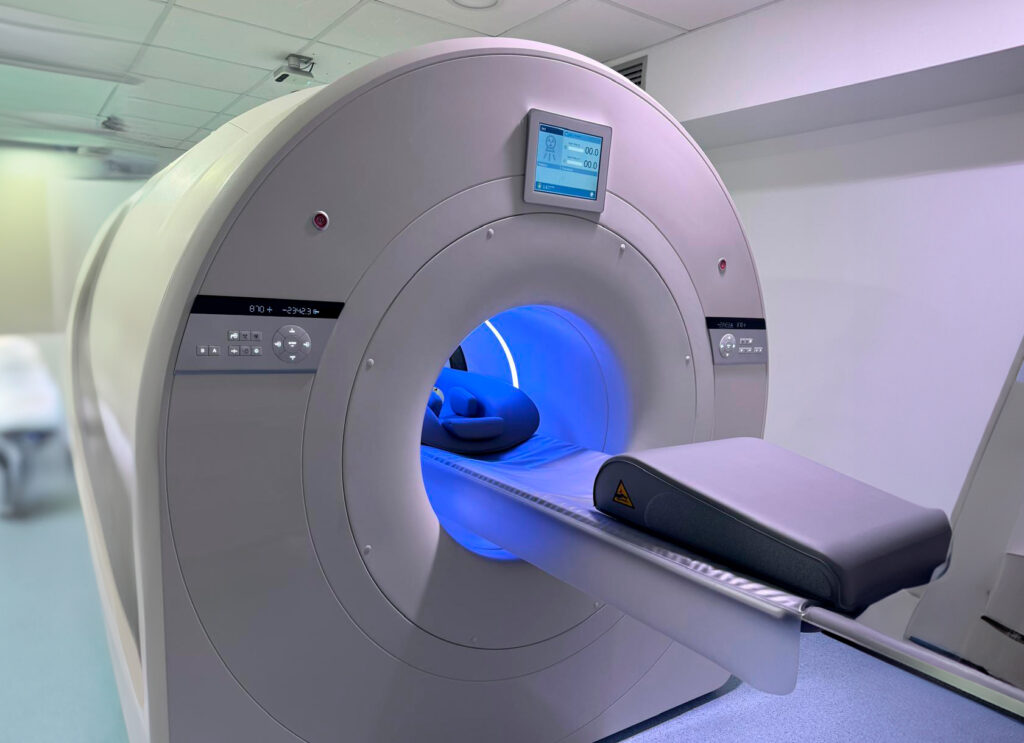
Atrys Health, a medical company specialising in healthcare services in the fields of telediagnostics, oncology, pathological anatomy and nuclear medicine, has installed United Imaging Healthcare’s uMI PanVivo digital PET-CT system at its Atrys SIMM Irla centre in Barcelona; this state-of-the-art equipment is currently the most advanced of its kind in Spain.

This system stands out for its extended PET detection field of 30 centimetres—almost double that of conventional equipment—and for the incorporation of high-precision crystals, which enable very high-resolution imaging. These capabilities significantly improve diagnostic sensitivity, facilitating the detection of smaller lesions and the identification of findings that might go unnoticed with standard technologies.

Furthermore, the equipment enables scans to be performed up to 50% faster, whilst also reducing the radiation dose by up to 50%, thereby improving the patient experience. This advantage is particularly significant in cases requiring periodic check-ups or follow-up scans. The installation and commissioning of the system was carried out with the involvement of APR Salud, United Imaging Healthcare’s partner in Spain.

“Having Spain’s most advanced wide-field digital PET scanner enables us to provide more accurate diagnoses, with lower radiation exposure and in less time. It represents a qualitative leap that strengthens our ability to detect disease and optimise clinical decision-making in complex conditions,” says Isabel Roca, Head of Nuclear Medicine at Atrys.

For his part, Íñigo Valcaneras, Country Manager at Atrys Spain, highlights that “this technology also represents a step forward from an operational perspective, as it allows us to increase our patient care capacity and reduce waiting times, thereby supporting the growth of our business”.

Diagnostics with wide-ranging clinical impact

The uMI PanVivo PET-CT is a highly versatile diagnostic device, the clinical application of which depends on the radiopharmaceutical used. In oncology, it is used for initial diagnosis, staging, monitoring, detecting recurrence and evaluating treatment in various types of cancer, particularly lung, prostate and breast cancer.

Beyond the field of oncology, the system extends its applications to neurology—including neurodegenerative diseases such as Parkinson’s or Alzheimer’s—as well as to cardiology and the analysis of infectious and inflammatory processes. It will also enable the development of advanced clinical trials in both oncology and neurology.

The device has already begun clinical use and performed its first scan on 4 May. Its integration into the Atrys network in Catalonia strengthens the capacity to care for private patients, those from partner organisations and hospitals.

Studies conducted using this technology will be integrated into the multidisciplinary committees in which the company participates, contributing to more precise and personalised treatment planning for each patient.

With this addition, Atrys consolidates its position as a leader in highly specialised nuclear medicine, expanding the available diagnostic capacity and moving towards more precise, efficient and patient-centred care.

Atrys strengthens its Executive Committee with the appointment of Alberto Iriondo as its new CFO

  • With over 30 years’ experience in financial management, Alberto Iriondo has joined the company to lead Atrys’ finance department at a time of consolidation and profitable, sustainable growth
  • His appointment strengthens the Group’s ability to implement its growth strategy, improve operational efficiency and generate value on a sustained basis

Atrys Health, a medical company specialising in healthcare services in the fields of telediagnostics, oncology, pathological anatomy and nuclear medicine, announces the appointment of Alberto Iriondo as the group’s new Chief Financial Officer (CFO) and a member of the Executive Committee.

Iriondo’s appointment comes at a key moment for Atrys, which ended 2025 with a significantly stronger balance sheet, lower debt and a greater focus on its strategic businesses, laying the foundations for more profitable and sustainable organic growth in the coming years.

In this context, Iriondo’s experience is particularly relevant to supporting the company’s growth forecasts for 2026, which are geared towards double-digit organic growth, a significant improvement in EBITDA and a strengthening of cash generation, underpinned by greater financial discipline and operational efficiency.

As CFO, Alberto Iriondo will be responsible for leading financial planning and management control, ensuring the integrity of financial information and regulatory compliance, and actively contributing to strategic decision-making to help the Group meet its growth and profitability targets.

“Atrys is a leading company in the healthcare sector, offering high-value services to various stakeholders in the healthcare field, with a strong focus on precision medicine. I am embarking on this new phase with the aim of bringing rigour and vision to consolidate a sound financial structure that supports the Group’s organic growth and long-term strategy,” says Alberto Iriondo.

For her part, Marian Isach, CEO of Atrys, emphasises that “the appointment of Alberto Iriondo is a clear sign of Atrys’ commitment to strengthening its management team with top-tier talent at a key moment for the company. His experience in financial management and his knowledge of listed companies and the healthcare sector will be crucial in ensuring the rigorous execution of our strategy for organic, profitable and sustainable growth.”

Alberto Iriondo’s career

With over three decades of experience, Alberto Iriondo has built a solid career in finance and management. Before joining Atrys, he served as Chief Financial Officer of Grupo Prim, a listed company specialising in medical technologies. Prior to that, he held the same position for 13 years at Boyacá.

He began his career at Arthur Andersen and subsequently at Corporación Patricio Echeverría, where he served as financial controller.

He holds a degree in Economics and Business Studies from the University of Deusto, a research master’s degree in Economics from the UNED and an Executive MBA from IESE.

Atrys is taking part in a project funded to the tune of €2.19 million to promote the early detection of neurological conditions in A&E departments using artificial intelligence

  • The project has been funded by the State Research Agency (AEI) through the 2024 Public-Private Partnership programme
  • In addition to Atrys, the initiative brings together a consortium comprising Methinks AI, the Vithas Foundation and the Món Clínic Foundation
  • Neuro-rescate transforms non-contrast CT scans, a routine test in A&E, into a tool for the early detection of neurological conditions thanks to artificial intelligence and telemedicine

Atrys is participating in the Neuro-rescate project, an applied research initiative that combines artificial intelligence and telemedicine to improve the early detection of serious neurological conditions in A&E departments, facilitating a faster referral to specialist treatment.

The initiative has received €2.19 million in funding from the State Research Agency (AEI) under the 2024 Public-Private Partnership programme. The project brings together a leading consortium comprising Methinks AI, the Vithas Foundation, the Món Clínic Foundation and Atrys, with the aim of strengthening the capacity of general A&E departments to identify serious neurological conditions at an early stage and rapidly refer patients to specialised treatments that can save lives.

Unlocking the potential of routine CT scans with AI

Neuro-rescue aims to harness one of the most common tests in A&E – the non-contrast head CT scan – to detect neurological conditions early on that often go unnoticed. Thanks to advanced artificial intelligence algorithms developed by Methinks AI, the platform is capable of automatically analysing these images and identifying signs consistent with intracranial aneurysms, vascular occlusions, cerebral haemorrhages and other treatable conditions. This approach transforms a routine diagnostic tool into an advanced screening system, significantly reducing time—a critical factor in improving patient outcomes.

Methinks AI brings extensive expertise in AI-based neurological image analysis, with CE-marked technology already deployed in clinical settings, contributing to advances in acute stroke care worldwide.

“We know that many people live with undiagnosed intracranial aneurysms or other treatable neurological conditions. The opportunity lies in the fact that these tests are already carried out routinely; if we are able to detect subtle signs in them, we can scale up early and systematic diagnosis,” explains Víctor Salvia, Vice-President of R&D at Methinks AI.

The project is not limited to automated analysis, but combines AI-driven detection with telemedicine and clinical integration to ensure that information is translated into action. The platform enables the automated identification of neurological abnormalities from non-contrast CT scans, adapted to non-specialist settings and supporting general practitioners in the early detection of serious conditions. It also facilitates remote support from radiologists and neurologists for image interpretation and clinical assessment, such as the NIHSS scale, ensuring expert validation and informed decision-making even in hospitals without 24-hour neurological coverage. Furthermore, the tool integrates into existing care pathways, promoting structured processes and coordinated communication between healthcare professionals, which helps to reduce the time to treatment.

“At Atrys, we are committed to making specialist clinical expertise available wherever patients need it, regardless of the resources available at the hospital treating them,” says Facundo Nahuel, Head of Artificial Intelligence in Atrys’s teleradiology department. “By combining artificial intelligence with telemedicine, we can optimise hospital resources, support non-specialist A&E teams and facilitate the early detection of treatable neurological conditions, even before symptoms become clinically apparent. Initiatives such as Neuro-rescue expand access to advanced neurological diagnosis and help ensure that more patients receive an expert assessment at the right time.”

The Vithas Group has already begun rolling out this solution in 4 of its 22 hospitals. “As a hospital group, our commitment is to ensure consistent standards of quality and safety. Incorporating tools that help identify conditions that might otherwise go unnoticed in A&E assessments helps to improve detection and reduce clinical variability,” says David Baulenas, Vithas’ Corporate Director of Care, Quality and Innovation and Vice-President of the Vithas Foundation.

The final results of the project are expected in the second half of 2028, following validation in real clinical settings.

Early detection is a priority

One of the major challenges in neurology remains the early detection of conditions such as intracranial aneurysms, which in many cases are not identified until a serious complication arises.

“In many patients with cerebral aneurysms, the diagnosis comes too late,” explains Xabier Urra, Head of Neurology at Hospital Clínic in Barcelona. “A non-contrast CT scan is the most common imaging test in A&E departments, and this is precisely where Neuro-rescue comes in: highlighting suspicious findings and speeding up the diagnostic process. Detecting an aneurysm in time opens the door to preventive and personalised management, rather than facing a potentially devastating subarachnoid haemorrhage.”

By extending advanced assessment capabilities beyond specialist centres, Neuro-rescue is set to deliver significant system-wide benefits, improving access to high-quality neurological diagnosis regardless of a hospital’s resources or location, and contributing to better patient outcomes and quality of life through faster detection and treatment, and making healthcare systems more efficient through the use of remote expertise and reduced reliance on on-site specialists.

The initiative will be validated in real clinical settings through the participation of the Vithas Foundation and the Món Clínic Foundation, and will be integrated into Atrys’ telemedicine infrastructure. Neuro-rescue represents a significant step towards more accessible, scalable and proactive neurological care.

Atrys reports revenue of €141 million in 2025, up 8.5%, and strengthens its financial structure following the divestment of ASPY

  • The company continues to increase its revenue in those business areas and regions where it holds a strong, leading position, notably Oncology, which grew by 19.1%
  • Following the sale of ASPY, the company has drastically reduced its net debt, from €170.6 million to €27.2 million
  • Atrys expects to achieve double-digit organic growth by 2026 and significantly improve its operational efficiency, with a forecast increase in reported EBITDA of 40%, underpinned by a strategic focus on higher value-added lines

Atrys, a medical company specialised in telemedicine, oncology, pathological anatomy and nuclear medicine services, has presented its results for the 2025 financial year, demonstrating robust performance across the business lines and regions where the company has a well-established strategic position. Revenue reached €141 million, representing growth of 8.5% compared with 2024. This increase reflects the performance of the group’s recurring business, excluding the impact of ASPY, the divestment of which was completed in January 2026.

The sale of ASPY has marked a turning point in Atrys’ financial structure. As a result, the company has drastically reduced its debt, bringing net debt down to €27.2 million compared to €170.6 million in the current financial year. Following the sale of ASPY, the Net Debt/Adjusted EBITDA ratio stands at 1.3x, which will enable annual savings in financial expenses of approximately €16 million, strengthening cash generation capacity and providing the group with greater flexibility to drive its areas of highest growth.

The consolidated result for the financial year stands at –€100.5 million, a figure primarily attributable to the divestment of ASPY, specifically the accounting impact arising from the difference between the business’s carrying amount and its sale price, as well as other adjustments associated with the transaction.

In terms of activity, business growth has been widespread across all regions, with increases of 8.9% in Spain, 7.1% in Portugal and 6% in Latin America, where Mexico’s strong momentum stands out in particular, with growth of 77.2%. By business area, Oncology remains the main driver of growth, with an increase of 19.1% to €75 million, driven both by performance in Spain and by international expansion and growth in the radiotherapy sector, boosted by the opening of the Institute of Advanced Oncology (IOA) in Madrid. Meanwhile, the Diagnostics segment recorded a slight decline of 1.5% to €65.9 million, due to lower activity in certain areas in Spain and Chile.

Adjusted EBITDA stands at €20.5 million, primarily affected by lower activity levels in R&D projects and a reduction in grant income. Similarly, the gross margin contracted by 4.2%, as a result of the business mix and the growth in medical oncology activity in Spain, which entails higher operating costs linked to patient care and treatment.

In terms of investment, CAPEX rose by 3.2%, driven by growth, with a particular focus on the opening of the IOA Madrid and new centres in Mexico, whilst investment in maintenance and R&D fell by 22.7%. In this context, adjusted operating cash flow fell to €11.2 million, reflecting the decline in EBITDA and the investment in expansion CAPEX.

In 2025, the company introduced a management approach centred on strict capital discipline, underpinned by the optimisation of its asset portfolio. This approach has not only enabled the divestment of ASPY but has also allowed the group to redefine its investment priorities and operational efficiency. As a result, Atrys expects this strategy to translate into double-digit organic growth in 2026, accompanied by a significant improvement in operational efficiency, with a forecast increase in reported EBITDA of 40% and a reduction in CAPEX investment of 24.7%. Furthermore, the company plans to present its 2026–2028 strategic plan shortly.

Marian Isach, CEO of Atrys, highlighted that “the company is embarking on a new phase characterised by a significantly stronger balance sheet, lower debt levels and a greater focus on its strategic businesses, which lays the foundations for more profitable and sustainable organic growth in the coming years”.